What Is a Watch Chain?
What a watch chain is, how the Albert chain secured a man's pocket watch across a waistcoat, and how women wore an equivalent longer guard chain around the neck or on a brooch.
A watch chain is a chain used to secure and display a pocket watch, worn across a man’s waistcoat in a standard arrangement or, for women, as a longer chain worn around the neck or attached to a brooch.
What Is a Watch Chain?
A watch chain’s basic job is simple - to physically secure a pocket watch to the wearer’s clothing so it cannot be dropped or lost - but the form this took differed sharply between men’s and women’s dress. Men’s fashion, built around the waistcoat, allowed a watch to sit in a waistcoat pocket with its chain running across the front and fastened through a buttonhole. Women’s fashion generally lacked an equivalent waistcoat pocket, so a woman’s watch was more often carried on a longer guard chain worn around the neck, or suspended from a brooch pinned to the bodice.
How to Recognise It
Look at the chain’s length and fittings. A man’s waistcoat watch chain is relatively short, sized to span the width of a waistcoat front, and typically has a fastening designed to pass through a buttonhole. A woman’s guard chain is considerably longer, sized to hang around the neck, sometimes worn doubled or looped, with the watch itself tucked into a waistband, pocket or held by a small hook or brooch fitting rather than a waistcoat pocket.
When Was It Worn?
Watch chains were worn throughout the day wherever a pocket watch was carried, which for men in particular was near-universal formal and everyday dress through the Victorian and Edwardian periods, before the wristwatch progressively displaced the pocket watch, and with it the everyday watch chain, over the early 20th century.
Origins
Chains used to secure a pocket watch are as old as the pocket watch’s practical use in dress, but the watch chain became a prominent and often costly accessory in its own right over the 18th and 19th centuries, as the pocket watch itself became a widely owned marker of respectability and status across a broadening range of society.
How It Changed Over Time
Through the Victorian period, the Albert chain became the standard men’s watch-chain form: a chain running from the watch, through a buttonhole via a central bar, swivel or ring, to a second shorter length ending in a small attachment such as a fob seal, worn as a visible marker of respectable dress across a wide range of social levels and price points. Women’s guard chains followed their own fashions, sometimes worn very long and looped multiple times, or shortened and combined with a brooch fitting so the watch could be pinned rather than hung loose. Through the Edwardian period and into the 1910s and 1920s, the rise of the wristwatch - worn first by women as a bracelet watch, and by men mainly for military and practical use until after the First World War - steadily reduced the watch chain’s everyday role, though it persisted in more formal dress for longer.
Materials
Gold was the standard material for a fine watch chain, sold by weight and length and representing a significant purchase in its own right; silver offered a more affordable equivalent with a similar appearance. Plainer steel and base-metal chains served the lower end of the market, allowing a man of modest means to carry a pocket watch with a visible, if inexpensive, chain.
Construction
A watch chain was built from linked sections - curb links, cable links, or a flat woven mesh being common patterns - joined into a continuous chain, with a swivel or spring-ring fitting at the watch end and, on an Albert chain, a central bar or T-bar designed to pass through and catch on a buttonhole.
How It Was Worn
A man’s watch chain ran from a waistcoat pocket, across the front, and through a buttonhole, with the watch itself in one pocket and any fob or seal in the other, or hanging visibly from the central fastening. A woman’s guard chain hung around the neck, sometimes looped or knotted, with the watch tucked into a belt, pocket or held by a hook, or the chain was shortened and attached directly to a brooch pinned at the bodice.
Who Wore It?
Watch chains were worn by both men and women who carried a pocket watch, though the specific arrangement differed by gender given the waistcoat’s central role in men’s dress and its general absence from women’s.
Notable Variations
- Albert chain - the standard men’s waistcoat watch chain with a T-bar, traditionally named for Prince Albert.
- Guard chain - a long, often doubled women’s watch chain worn around the neck.
- Vest chain - the American name for a man’s waistcoat watch chain, “vest” being the American word for a waistcoat.
Similar Jewellery
A watch chain is closely related to, and often confused with, a long decorative sautoir necklace, since both could be worn long and looped around the neck; the presence of a watch, or a fitting clearly designed to carry one, is the clearest sign of a genuine watch chain.
Examples in Museum Collections
- Jet watch chain with a book pendant, c.1875. Victoria and Albert Museum, London, M.64-1974. A Whitby jet chain; the museum records that a watch hung from one end and a small jet prayer book from the other - the double-ended form in an inexpensive mourning material.
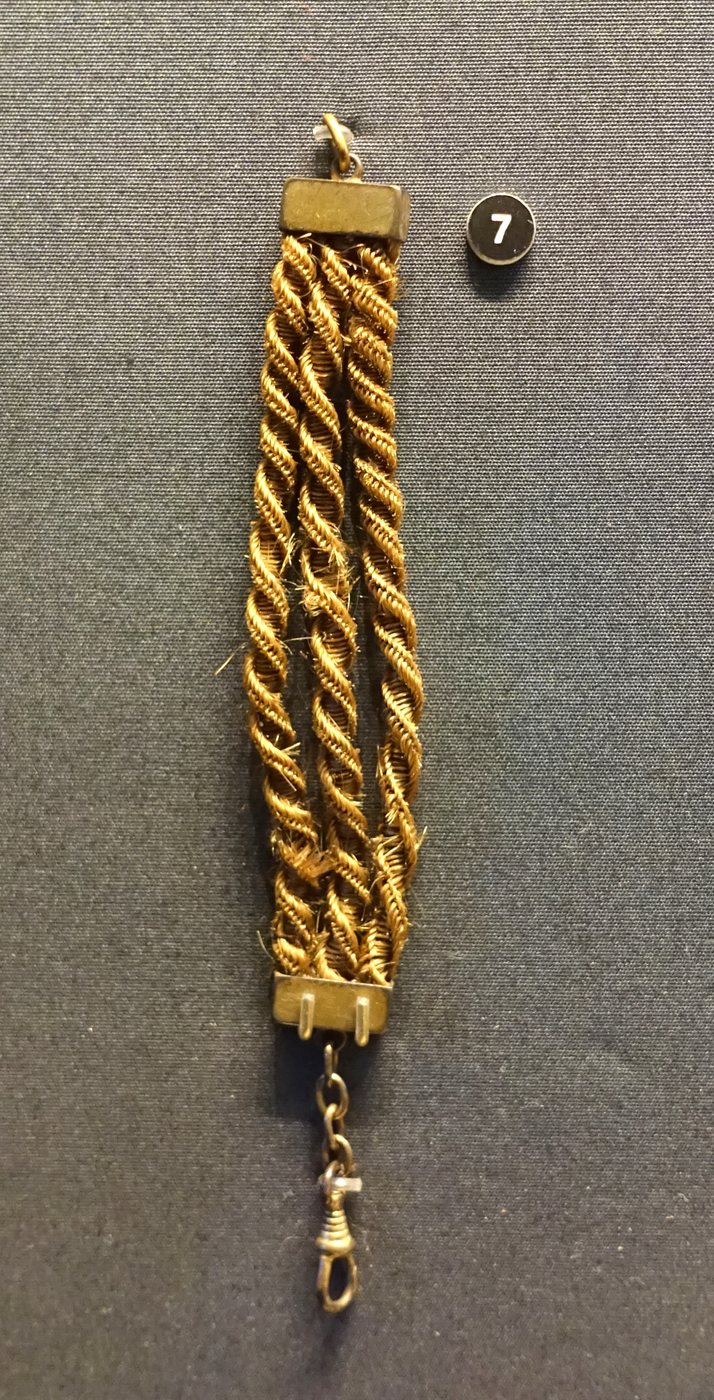
- Watch chain of plaited hair, English, c.1850. Victoria and Albert Museum, London, T.75-1966. Three plaited ropes of hair with gold mounts and a central clasp, a loop at one end and a trumpet-shaped fob set with a topaz at the other. See What Is Hair Jewellery?.
- Watch chain, Unger Brothers, Newark, New Jersey, c.1900. Metropolitan Museum of Art, New York, 2001.335. A silver chain from a leading American maker of silver novelties, from the last years before the wristwatch took over.
Read next

Eras
Edwardian Jewellery
A guide to Edwardian jewellery (1901-1915): platinum and the garland style, Queen Alexandra's dog collars, Cartier, Boucheron and Fabergé in London, the Cullinan diamond, lavaliers, milgrain settings and day jewellery.

Eras
Victorian Jewellery
A guide to Victorian jewellery (1837-1901): the Romantic, Grand and Aesthetic periods, the Great Exhibition, gold rushes and 9ct gold, mourning and Whitby jet, archaeological revival, Scottish jewellery, and how to recognise each phase.
Jewellery
What Is a Brooch?
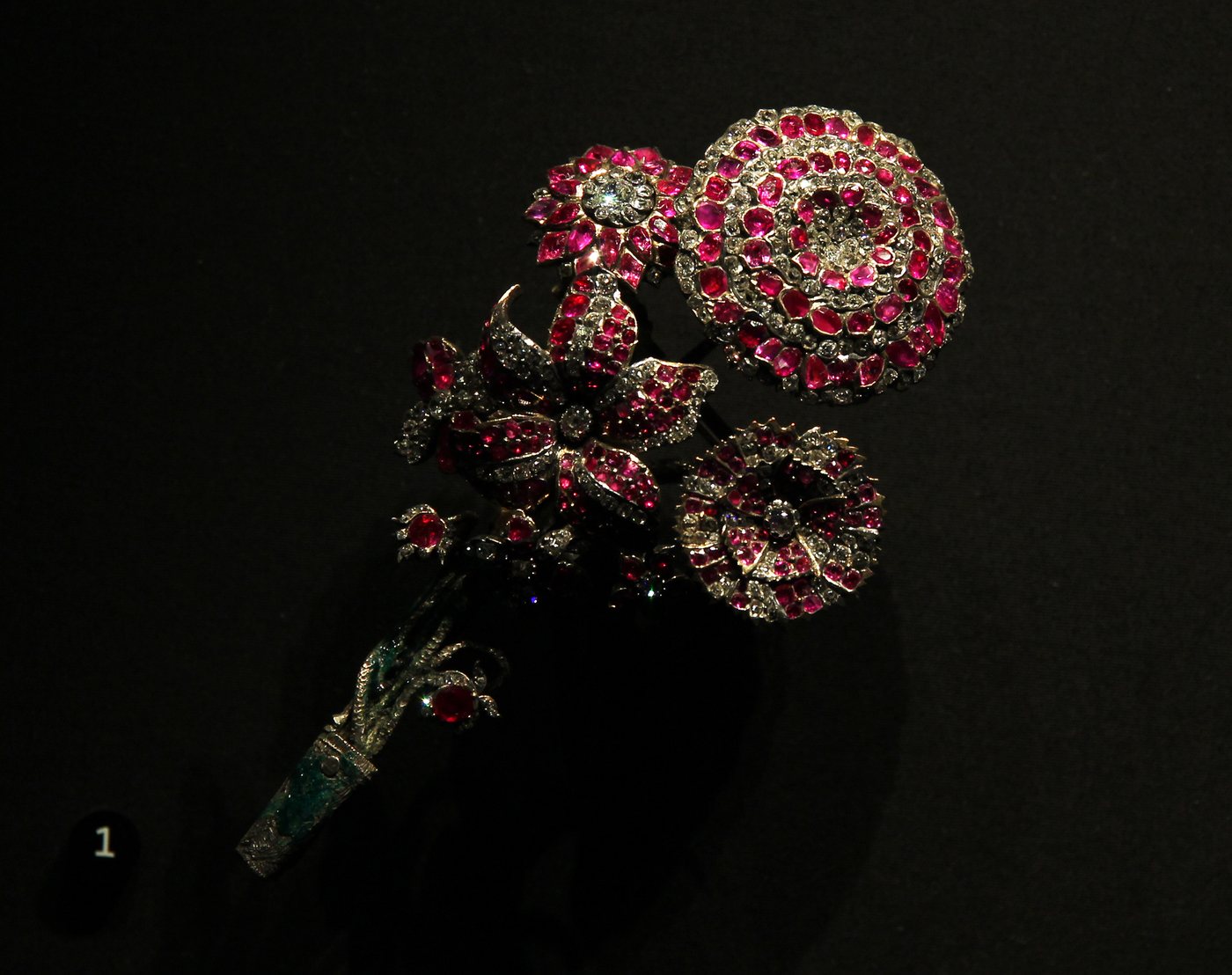
What a brooch is, how its pin-and-catch fastening works, and how brooch styles moved from naturalistic Victorian sprays through mourning brooches to Art Deco geometry.
Jewellery
What Is a Fob Seal?
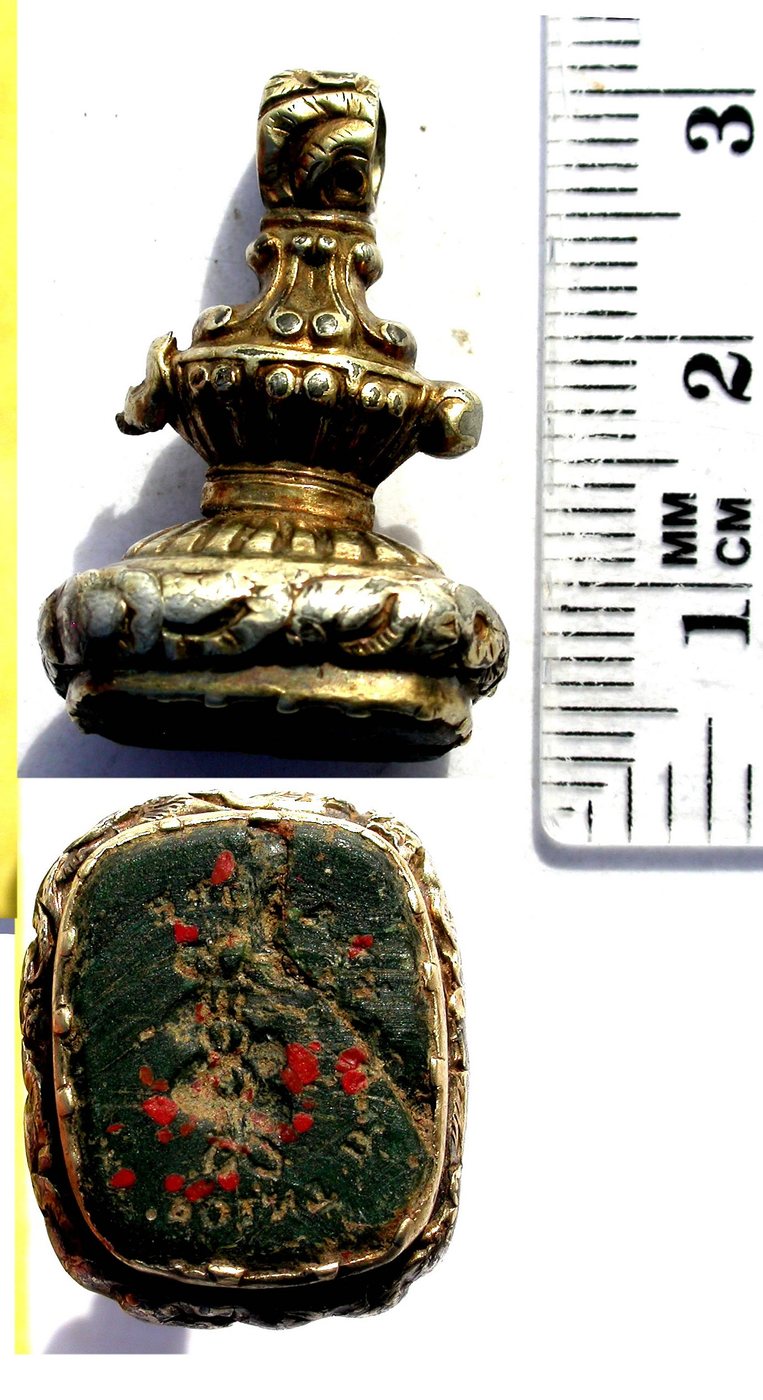
What a fob seal is, how its engraved intaglio face could press a wax seal, and why sealing wax's decline through the 19th and 20th centuries reduced the fob seal to a decorative watch-chain ornament.

Jewellery
What Is a Sautoir?
What a sautoir is, why its very long chain suited the flat-fronted, dropped-waist silhouette of the 1920s, and how it differs from a negligee necklace or riviere.