Symbols
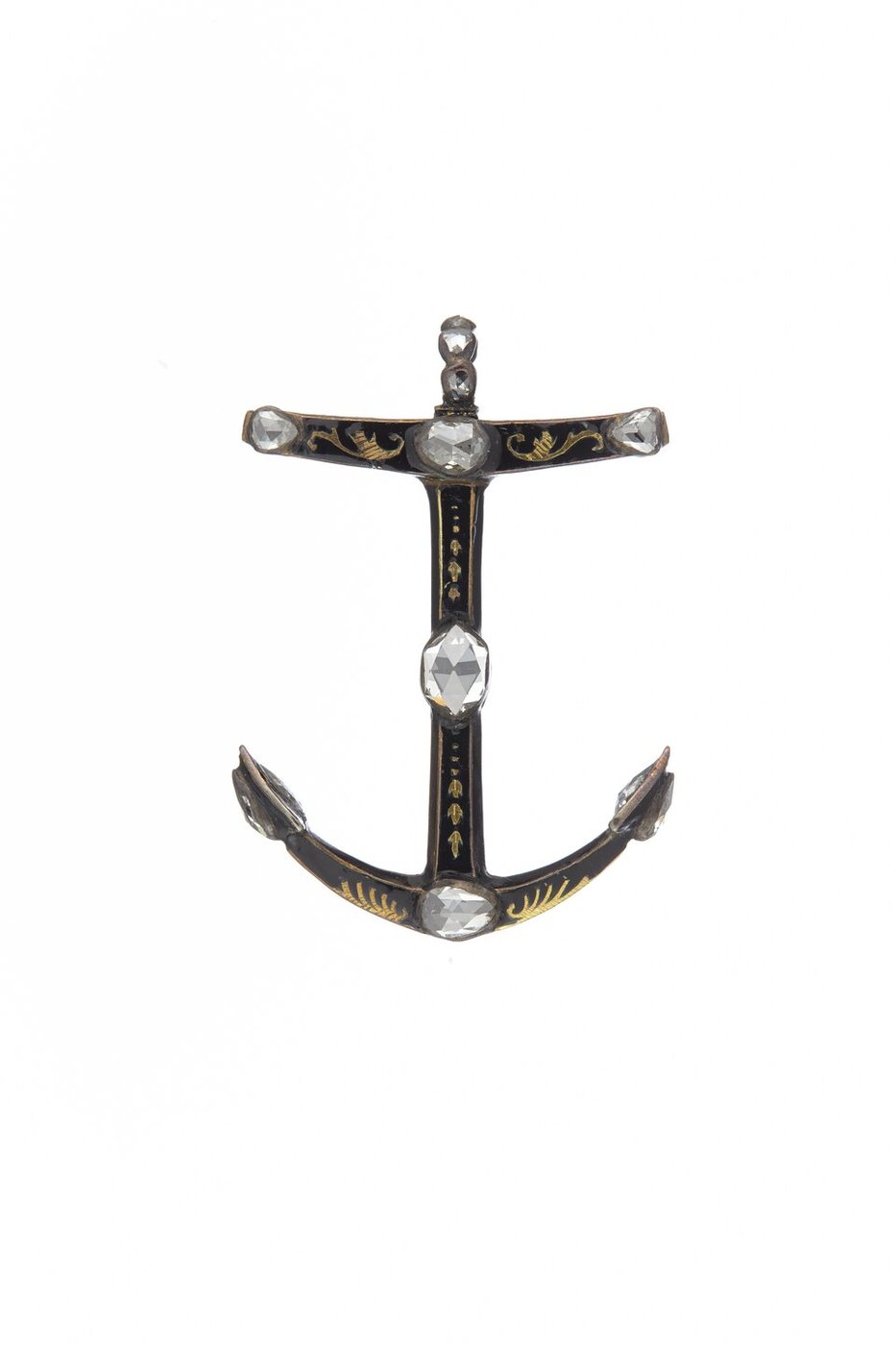
Anchor Jewellery
The anchor as a jewellery motif for hope and steadfastness: its early Christian roots, the Faith, Hope and Charity trio, the naval fouled anchor and sweetheart brooches.
Section
14 articles
Symbols
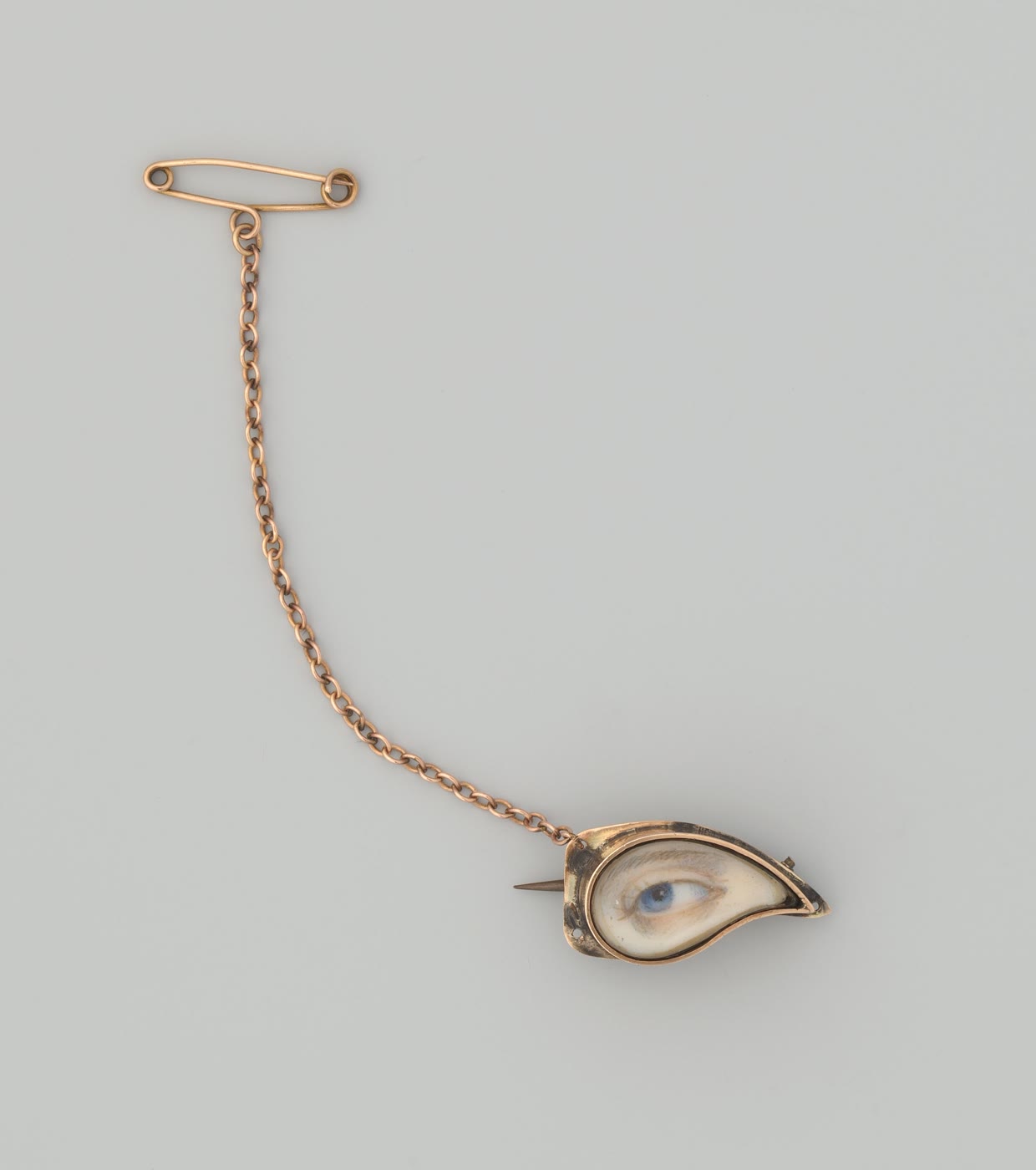
Three eye motifs in jewellery: the late-Georgian lover's eye miniature, the Eye of Providence, and the protective 'evil eye' amulet as it reached Western Europe.
Symbols
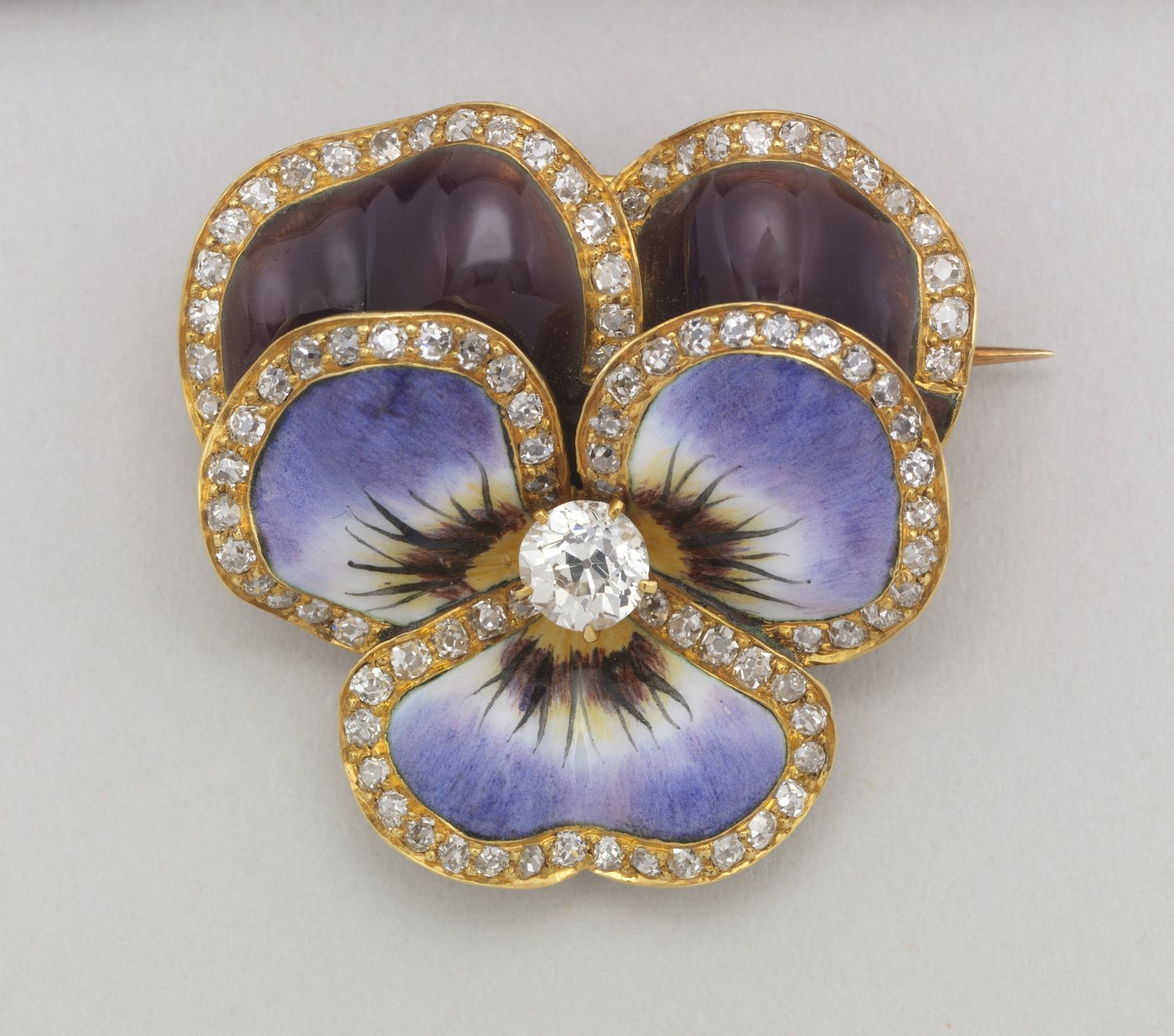
How the 19th-century 'language of flowers', from Charlotte de la Tour's 1819 dictionary to Kate Greenaway's of 1884, gave coded meanings to the flowers in sentimental jewellery.
Symbols
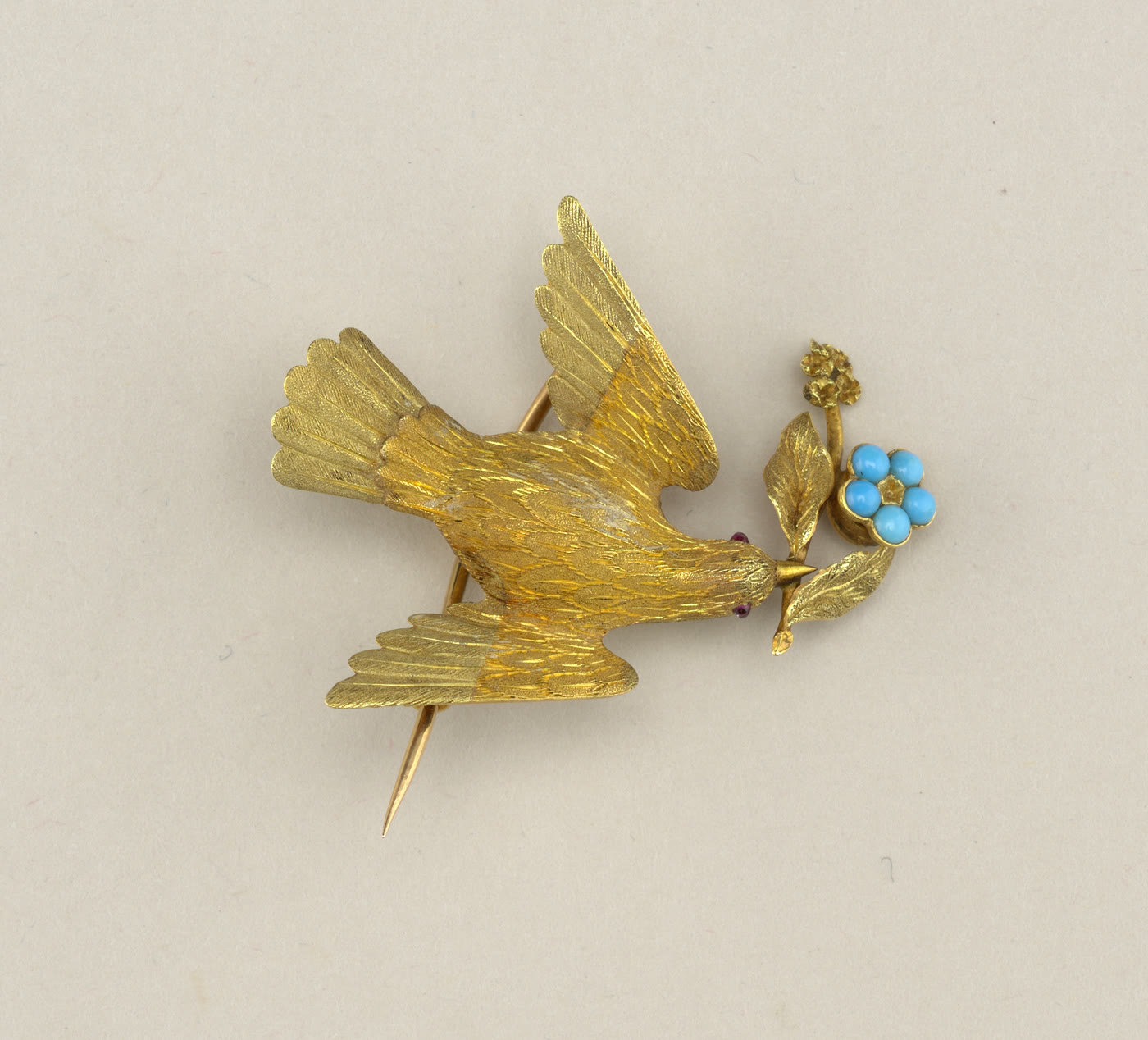
The small blue forget-me-not as a 19th-century symbol of remembrance and lasting affection, the legends behind its name, and its common form as clustered turquoise cabochons.
Symbols
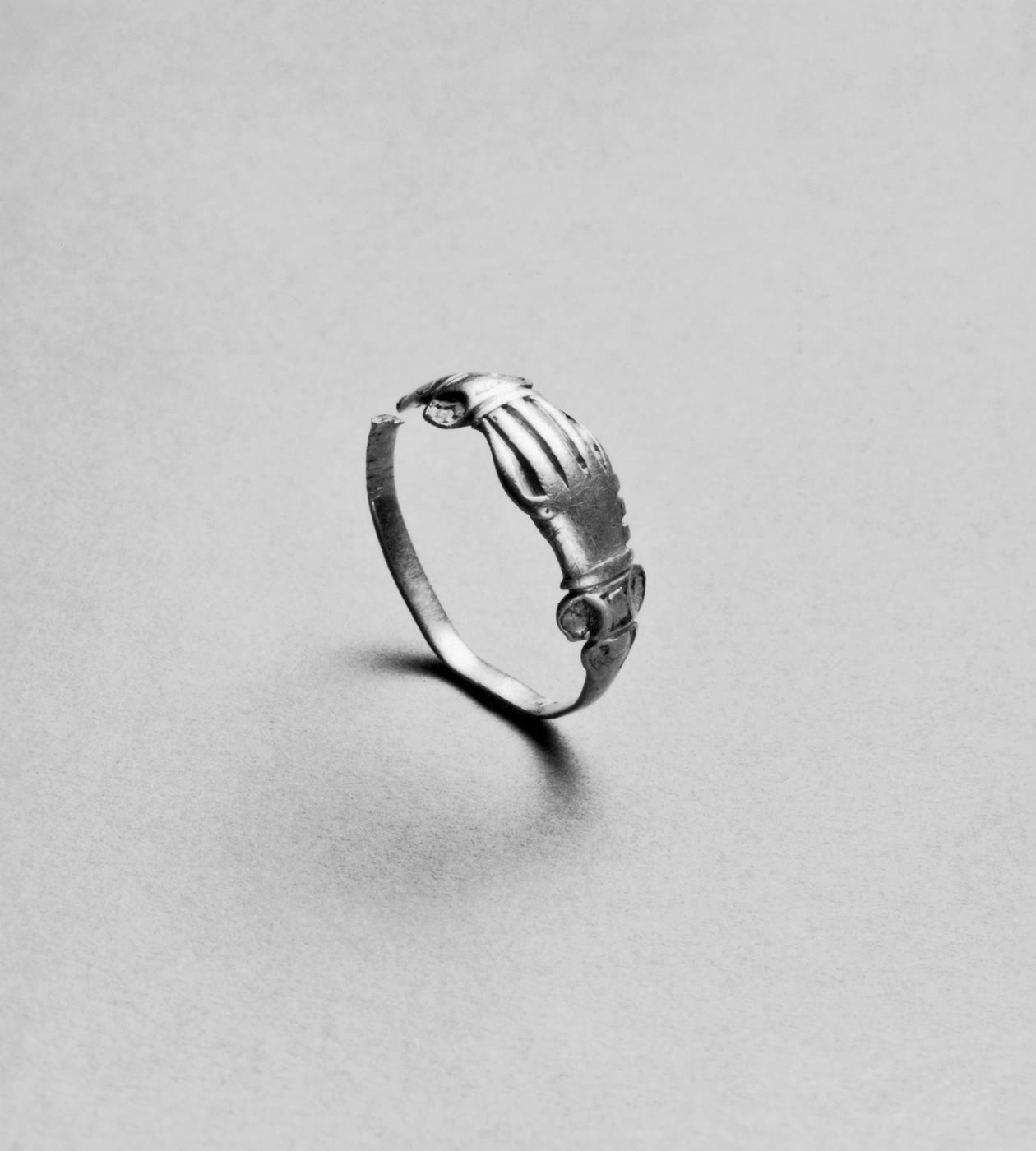
The clasped-hand fede ring from Roman times onward, the Claddagh ring of Galway and the Richard Joyce tradition, and hand brooches and amulets in 19th-century jewellery.

Symbols
The heart in jewellery from 1700 to 1950: crowned hearts, Scottish luckenbooth brooches, Sacred Heart pendants, padlock-and-key pendants, Claddagh rings and wartime sweetheart brooches.

Symbols
The horseshoe as a Victorian and Edwardian good-luck motif in brooches and stickpins: the folklore behind it, the orientation dispute, sporting jewellery and wedding gifts.
Symbols
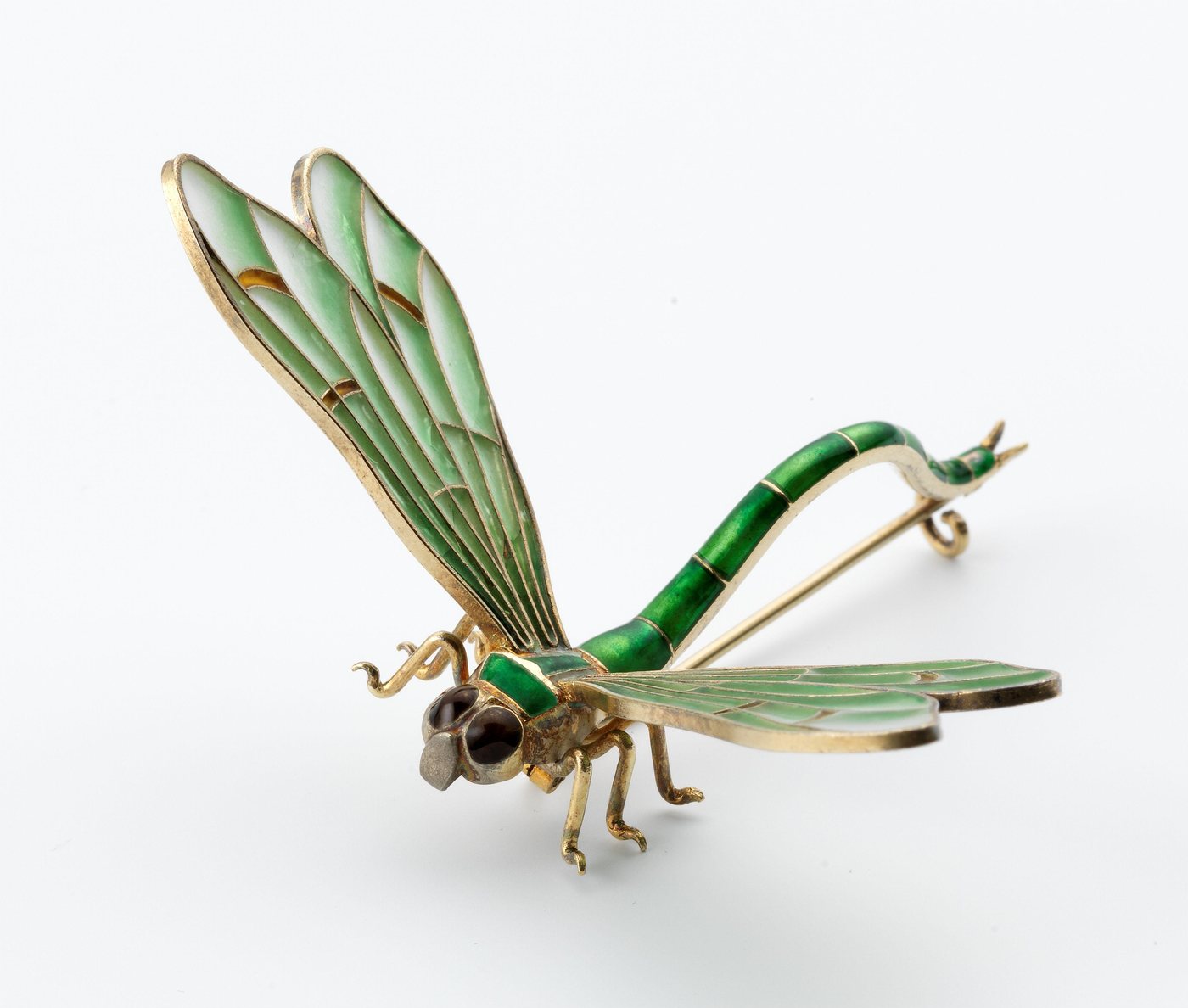
Insect jewellery from the Napoleonic bee to Victorian diamond flies and Lalique's Dragonfly Woman: naturalistic and Art Nouveau traditions, scarabs and real beetle wings.

Symbols
Ivy as a jewellery motif for fidelity and lasting attachment, from Bacchic wreaths and archaeological revival gold to Victorian vine borders, jet leaves and mourning brooches.

Symbols
The true love knot in Georgian and Victorian jewellery: ribbon bows and Sévigné brooches, the Hercules knot, knots worked in hair, and Celtic-revival interlace.
Symbols
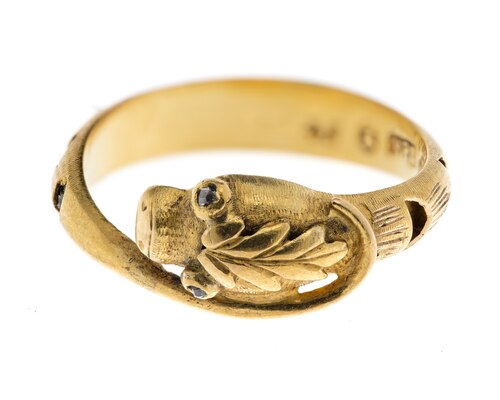
Why the snake, often shown biting its own tail, stood for eternal love in 19th-century jewellery - from Queen Victoria's 1839 emerald snake ring to Lalique's serpents.

Symbols
Star and crescent-moon motifs in jewellery: Diana's crescent, Nelson's Ottoman chelengk, Empress Elisabeth's diamond stars and the late-Victorian diamond crescent brooch.
Symbols
The oak and acorn as jewellery motifs for strength, endurance and growth, from Charles II's Royal Oak and Heart of Oak to Victorian acorn drops and finials.
Symbols
The swallow as a jewellery motif for safe return, loyalty and reunion, drawn from its seasonal migration: sailors' lore, Victorian swallow brooches and 1920s-30s marcasite swallows.