Celtic Revival Jewellery
How early medieval Irish and Scottish brooches inspired 19th- and early 20th-century jewellery: Tara Brooch replicas from Dublin, Scottish plaid brooches, Iona silver, Archibald Knox and Liberty, and the interlace to look for.
Celtic revival jewellery drew on the brooches, crosses and manuscripts of early medieval Ireland and Scotland - their interlace, spirals and stylised animals - and turned them into fashionable and patriotic jewellery. It began with antiquarian discoveries in the mid-19th century and continued, through the Arts and Crafts movement, into the 20th.
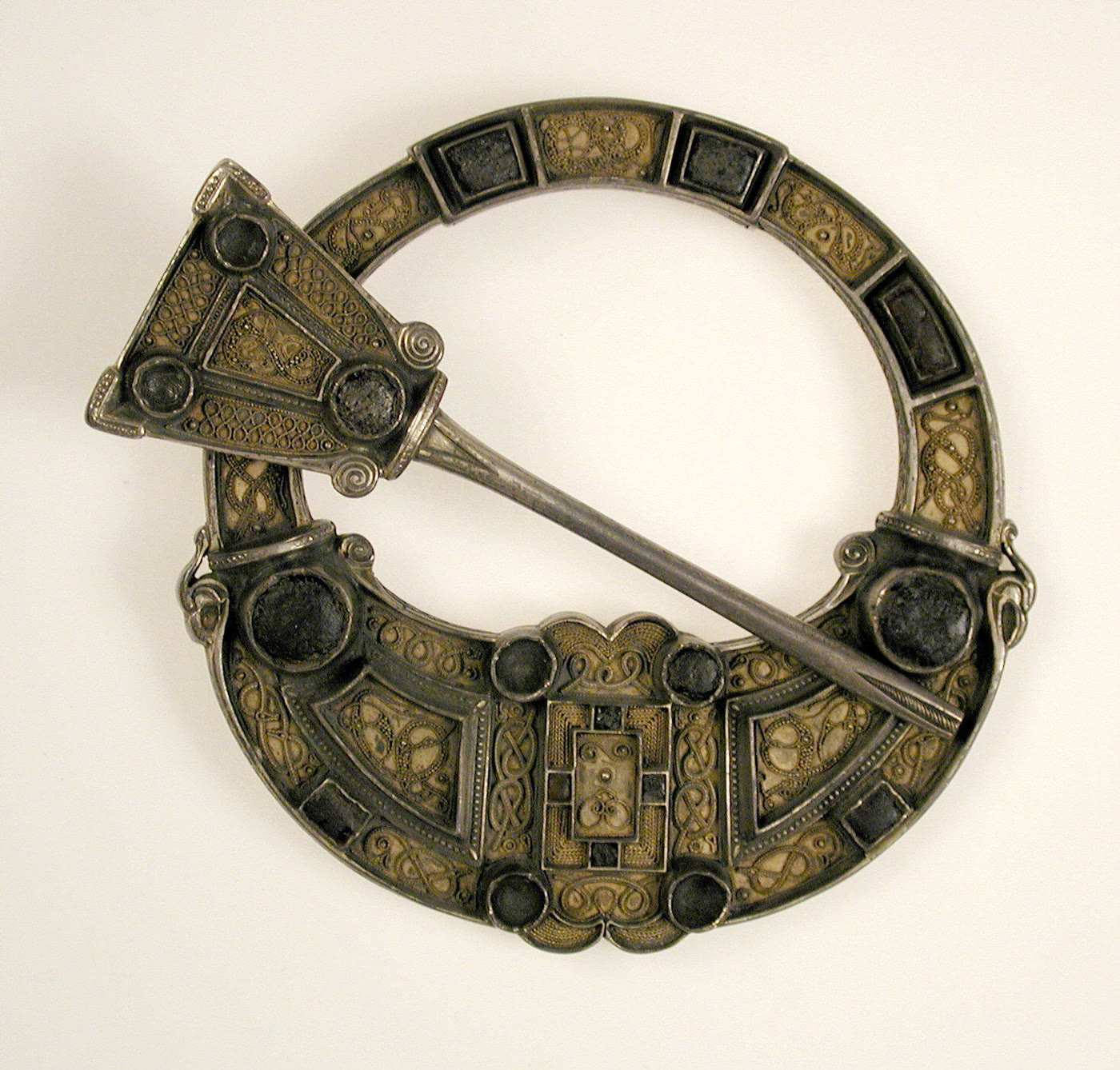
Antiquarian Discoveries
Some of the finest early medieval brooches came to light in the 19th century. The Hunterston Brooch was found in Ayrshire around 1830, and the Tara Brooch - an elaborate gilt-silver penannular brooch of about 700 AD, decorated with filigree, enamel and amber - was reportedly found near Bettystown, County Meath, in 1850. Both are now in national museums: the Hunterston Brooch in National Museums Scotland and the Tara Brooch in the National Museum of Ireland.
Replicas from Dublin
Dublin jewellers quickly saw the commercial possibilities. Waterhouse & Co. acquired the Tara Brooch, displayed it at the Great Exhibition of 1851, and sold replicas and adaptations of it and other ancient Irish brooches in silver and gold, which attracted royal interest. Later in the century Edmond Johnson of Dublin made fine replicas of early Irish metalwork. These “Tara brooches” were worn as shawl and cloak brooches across Britain and Ireland and taken abroad by emigrants. Irish souvenir jewellery in bog oak and Connemara marble used the same motifs, alongside harps, shamrocks and round towers.
Scottish Brooches and Plaid Jewellery
In Scotland, the fashion for Highland dress and Scottish souvenirs that followed Queen Victoria’s purchase of Balmoral produced large silver plaid brooches, often penannular or ring-shaped with Celtic engraving, set with cairngorm and agate. See Scottish Agate Jewellery. Brooches modelled on the Hunterston and other early brooches were made by Edinburgh and Glasgow jewellers.
From around 1900, Alexander and Euphemia Ritchie on the island of Iona made silver and brass jewellery and metalwork with interlace inspired by the carved stones of the island’s abbey, sold to visitors as “Iona Celtic Art”.
Archibald Knox and Liberty
The most influential designer of Celtic revival jewellery was Archibald Knox, from the Isle of Man, who drew on Manx and Celtic carved crosses. His designs for Liberty & Co.'s “Cymric” silver and gold range, launched in 1899, combined Celtic interlace with the flowing line of Art Nouveau, often set with enamel, turquoise or moonstone. See Arts and Crafts Jewellery.
Motifs
- Interlace - endless knots of ribbon or cord.
- Spirals, triskeles and trumpet patterns.
- Stylised, intertwined animals and birds.
- Penannular brooches with a long pin - a ring with a gap through which the pin passes.
- Celtic crosses, harps, shamrocks and thistles.
- Claddagh hands holding a crowned heart; see Hand Symbolism in Jewellery.
How to Recognise Celtic Revival Jewellery
Look for interlace and spirals in engraved, cast or pierced silver, often with Scottish or Irish hallmarks (Edinburgh’s castle and thistle, Glasgow’s tree, bird, bell and fish, or Dublin’s harp and Hibernia - see British Silver Hallmarks Explained). Victorian replicas of ancient brooches tend to be cast and evenly finished; Arts and Crafts pieces show more hand-working, and Liberty pieces carry Liberty or “Cymric” marks.
Read next

Eras
Arts and Crafts Jewellery
A guide to Arts and Crafts jewellery (c.1880-1920): Ashbee's Guild of Handicraft, Henry Wilson, the Gaskins and Birmingham's Vittoria Street School, Phoebe Traquair, the Glasgow Style, Liberty's Cymric range and American makers.

Eras
Victorian Jewellery
A guide to Victorian jewellery (1837-1901): the Romantic, Grand and Aesthetic periods, the Great Exhibition, gold rushes and 9ct gold, mourning and Whitby jet, archaeological revival, Scottish jewellery, and how to recognise each phase.
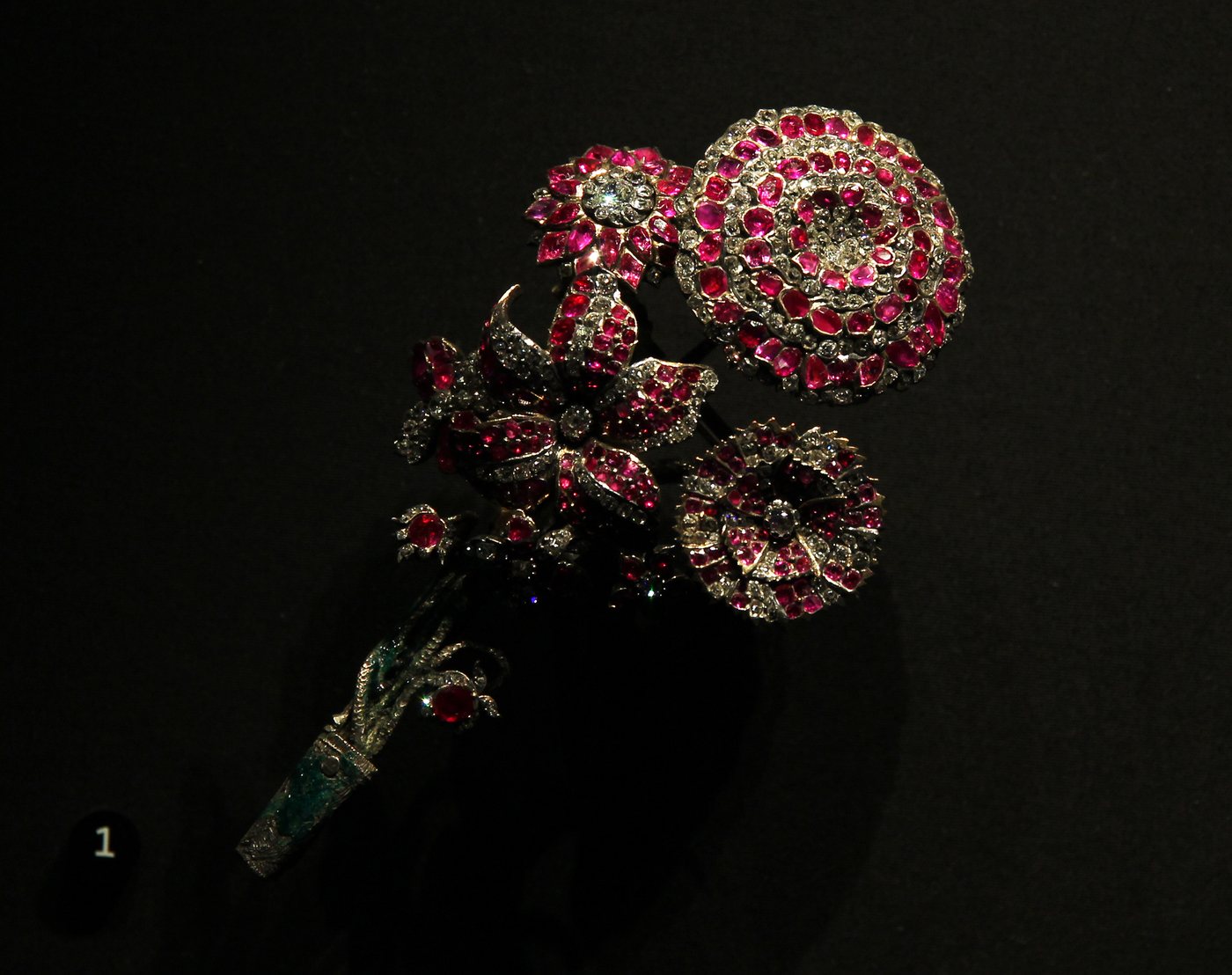
Jewellery
What Is a Brooch?
What a brooch is, how its pin-and-catch fastening works, and how brooch styles moved from naturalistic Victorian sprays through mourning brooches to Art Deco geometry.
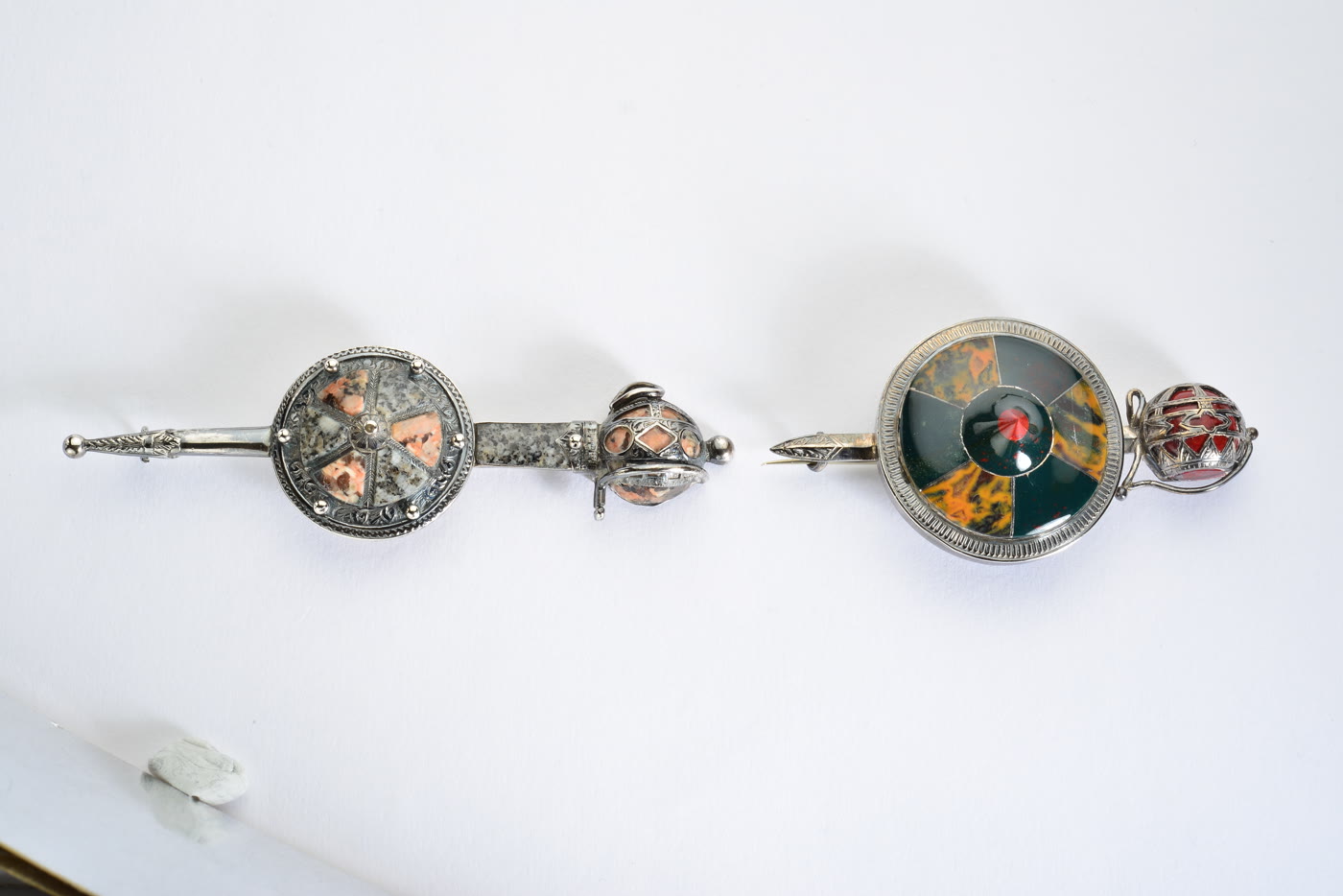
Materials
Scottish Agate Jewellery
Scottish pebble jewellery: native agates, jaspers and cairngorm set in silver, the stones' sources, Balmoral and Queen Victoria, Edinburgh and Birmingham makers, and the plaid, dirk and garter brooch forms.
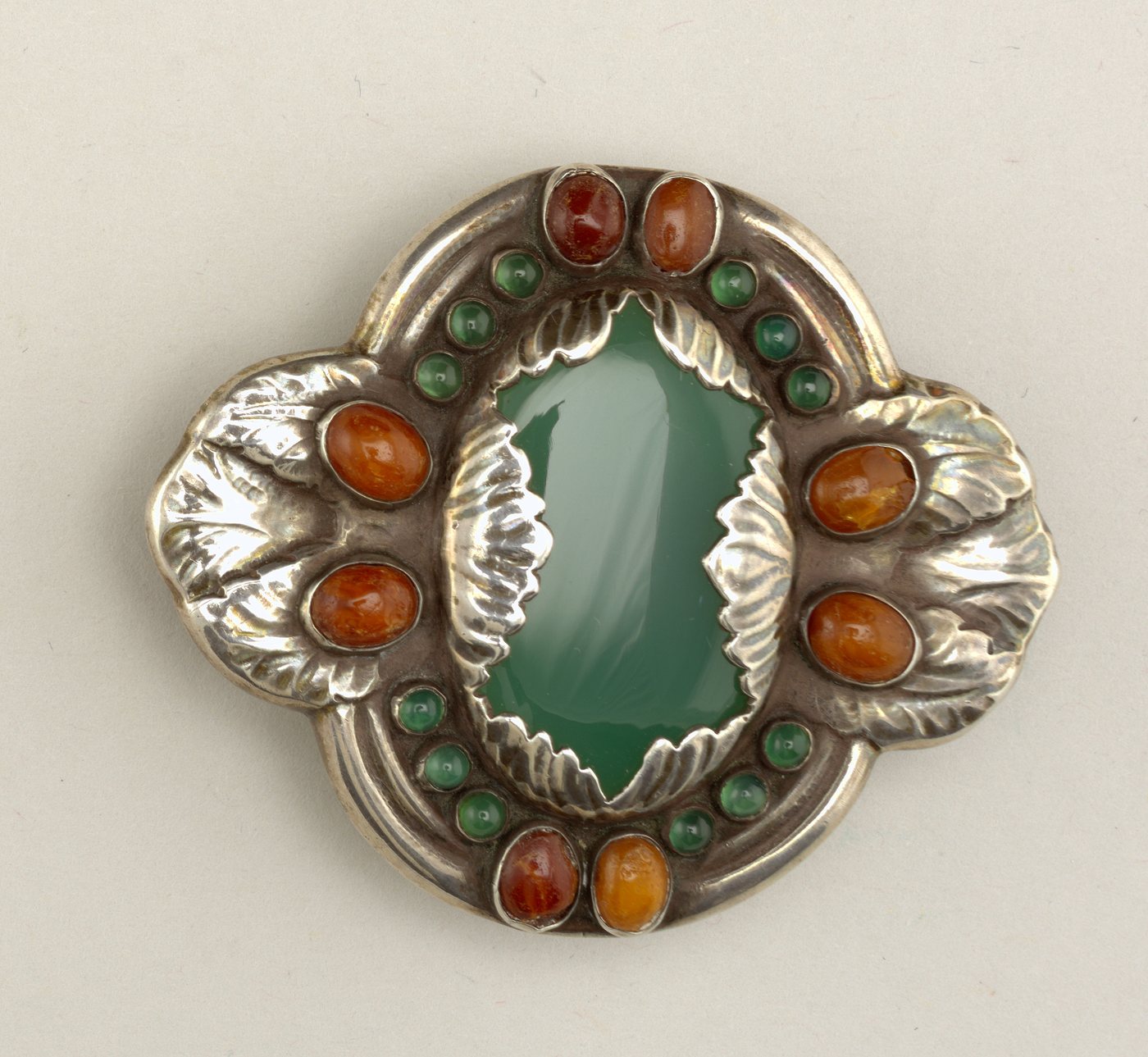
Materials
Silver in Historical Jewellery
Silver as gold's cheaper alternative, silver-topped gold settings, the Victorian silver fashion of the 1870s-80s, Birmingham's Jewellery Quarter, and Arts and Crafts silver from Ashbee to Liberty and Jensen.
Symbols
Hand Jewellery Symbolism
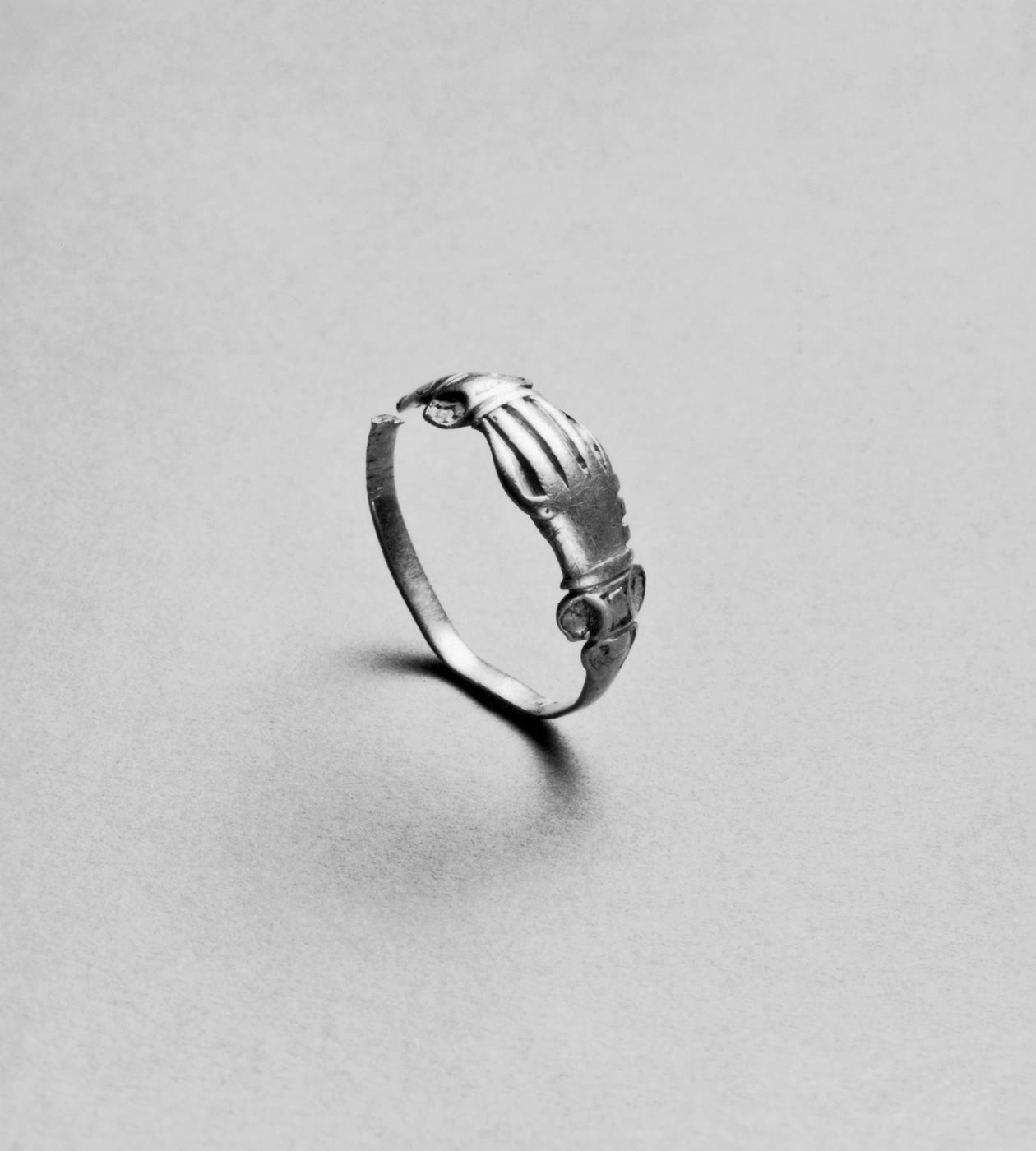
The clasped-hand fede ring from Roman times onward, the Claddagh ring of Galway and the Richard Joyce tradition, and hand brooches and amulets in 19th-century jewellery.