What Is a Gimmel Ring?
What a gimmel ring is, how its two or three interlocking hoops fit together as one, its use as a betrothal and wedding ring in the 16th and 17th centuries, hidden inscriptions and fede hands, and Victorian revivals.
A gimmel ring is made of two, or sometimes three, separate hoops that interlock and fit together so precisely that they look like a single ring when closed. Each hoop can swivel open on a shared pivot, revealing hidden faces and inscriptions. The name comes from the Latin gemellus, “twin”. Gimmel rings were fashionable as betrothal and wedding rings, especially in the 16th and 17th centuries.

What Is a Gimmel Ring?
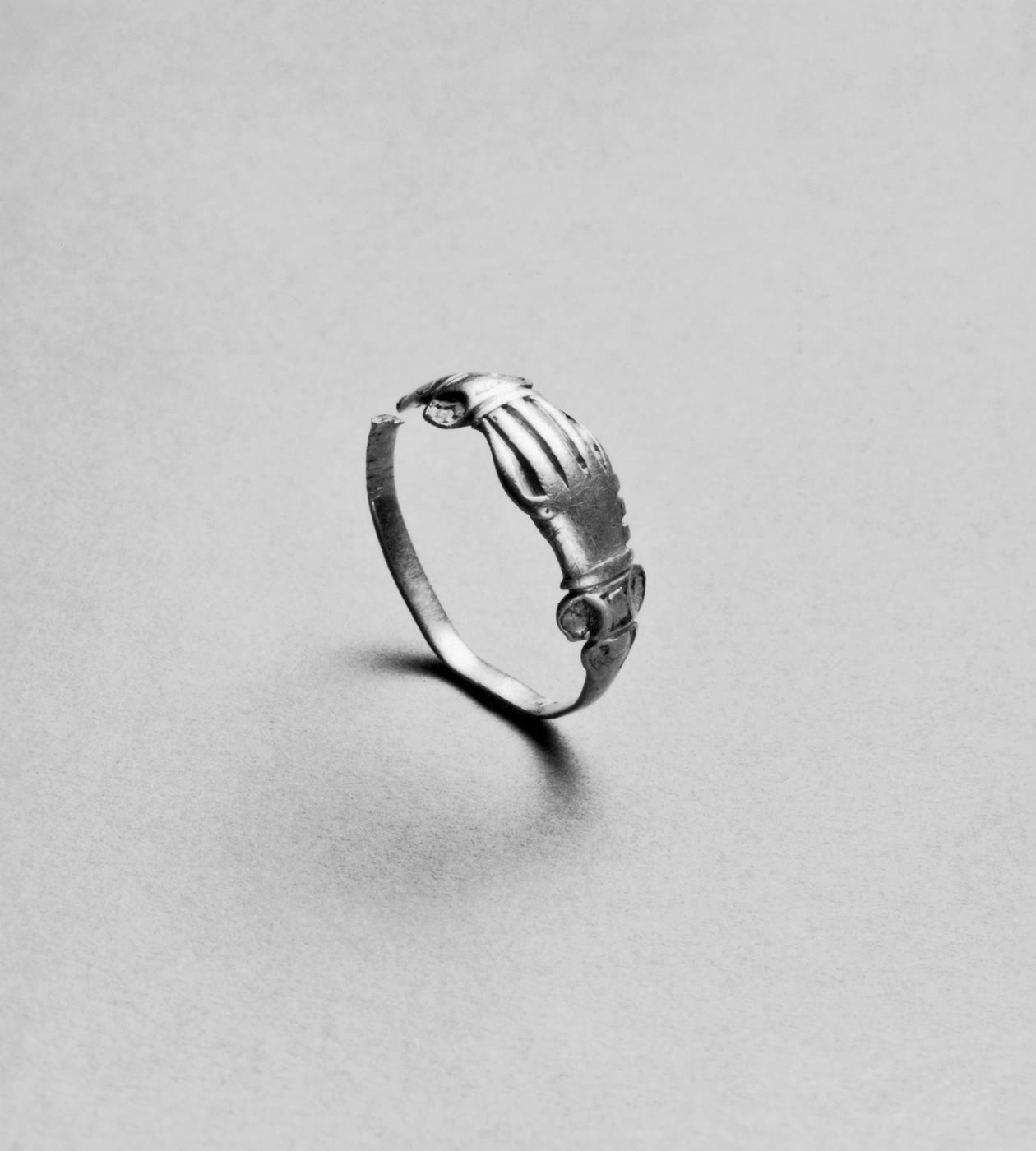
The defining feature is construction: the hoops are joined at a pivot, usually at the base of the shank, so they can fan apart like the blades of a pair of scissors but cannot be separated completely. When the hoops are closed, their bezels lock together to form a single design - often two clasped hands, a heart held between them, or a gem setting that only becomes complete when both halves meet.
How to Recognise It
Look for a fine line running around the ring where two hoops meet, and gently check whether the hoops pivot. When opened, the inner, flat faces of the hoops often carry engraved inscriptions - a marriage motto, a biblical text, or the couple’s names or initials - which were hidden against each other while the ring was worn closed. Three-hoop gimmels usually have a decorative central hoop between two outer ones.
When Was It Worn?
Twin-hoop rings were made in the late Middle Ages, but the gimmel’s period of greatest popularity was the 16th and early 17th centuries, especially in Germany and England. It was also made in France and elsewhere in Europe. The form became less common in the 18th century, and the 19th century saw revivals and reproductions, so a gimmel ring may be Renaissance, Victorian or later.
Origins
Interlocking hoops were an ideal symbol of two people joined in marriage. A common tradition holds that during a betrothal the hoops were divided between the couple, each wearing one, and rejoined into a single ring at the wedding. This is widely repeated, but direct evidence for the practice is limited, and it should be treated as a tradition rather than an established custom.
The gimmel ring associated with Martin Luther’s marriage to Katharina von Bora in 1525 is often cited as a famous example, inscribed with the words of the marriage service, “What God has joined together let no man put asunder”, in German.
How It Changed Over Time
- Renaissance: elaborate gold gimmels enamelled in bright colours, sometimes set with gems, with sculptural bezels of clasped hands and hearts.
- Memento mori gimmels: some Renaissance gimmels conceal small enamelled figures, such as a skeleton or an infant, inside the hoops - a reminder of mortality and of the hope of children within marriage. See Memento Mori Jewellery.
- 17th century: simpler gold gimmels, often with clasped fede hands holding a heart.
- 19th century: antiquarian interest in Renaissance jewellery produced revival gimmels and fede-gimmel rings, often in 18ct or 15ct gold and sometimes hallmarked, which helps date them.
Materials
Gold was the usual material, frequently decorated with enamel. Gem-set examples might have a ruby or diamond in each bezel, so that two stones sat side by side when the ring was closed.
Construction
Each hoop is made individually and fitted to the other with great precision so that, closed, the joints are almost invisible. The hoops pivot on a pin or a small loop at the base. The work requires very accurate goldsmithing, which is why fine gimmel rings are rare and why later reproductions often show looser fits or less crisp joins.
How It Was Worn
A gimmel ring was worn closed, as a single ring, on the finger used for betrothal or wedding rings. Its hidden inscriptions were intended for the wearer, much like the inscription inside a posy ring.
Who Wore It?
Gimmel rings were made for betrothed and married couples who could afford a complex gold ring - generally the wealthier merchant and landed classes in the 16th and 17th centuries.
Notable Variations
- Fede-gimmel ring - a gimmel whose bezels form a pair of clasped hands, often revealing a heart when opened.
- Triple gimmel - three hoops, sometimes with the central hoop representing a witness or a symbolic third element.
- Memento mori gimmel - with concealed figures of death and new life.
Terminology
“Gimmel”, “gimmal” and “gemel” are all historical spellings of the same word. A ring that is simply two hoops soldered together is not a true gimmel, which must open and close.
Similar Jewellery
The gimmel is related to the fede ring, which shows clasped hands without the interlocking hoops, and to the posy ring, which also carries a hidden inscription. See also History of Wedding Rings.
Examples in Museum Collections
Major collections of rings, including those of the British Museum and the Victoria and Albert Museum, hold Renaissance gimmel and fede-gimmel rings; when searching online catalogues, try the spellings “gimmel”, “gimmal” and “gemel”. Revival gimmels of the 19th century are more often found on the antiques market than in museums.
Read next
Jewellery
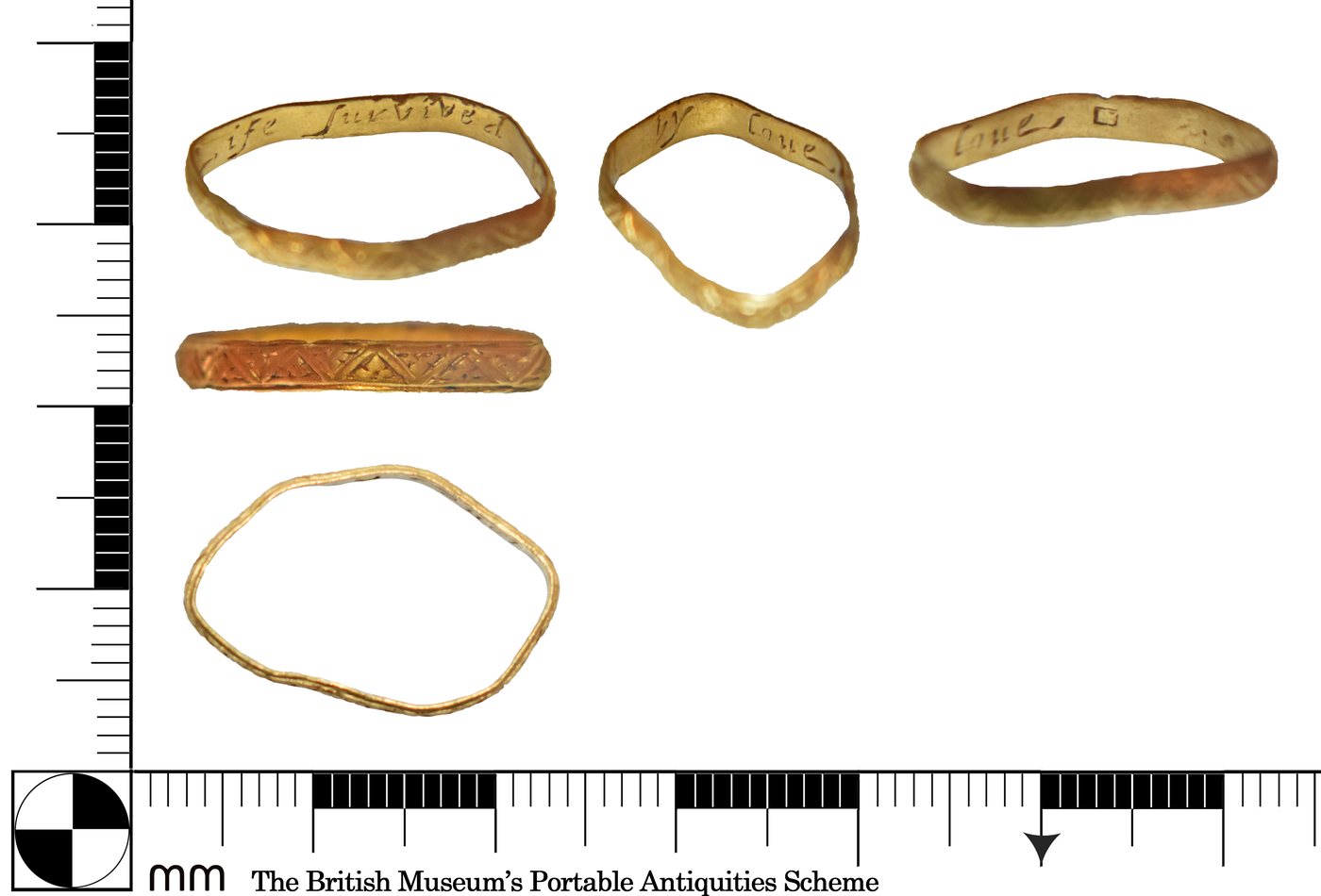
What Is a Posy Ring?
What a posy ring is, why its short engraved verse was often hidden on the inside of the band, and how the form declined from a common love token to a rarer survival by the Victorian era.
Jewellery
What Is a Regard Ring?
What a regard ring is, how its row of gemstones spells out the word REGARD through their first letters, and how it relates to the wider acrostic jewellery tradition.
Mourning & Sentimental
History of Engagement Rings
How the engagement ring moved from posy and gimmel rings through Georgian regard rings to the diamond solitaire - Kimberley, the Tiffany setting and De Beers' 1947 slogan.
Mourning & Sentimental
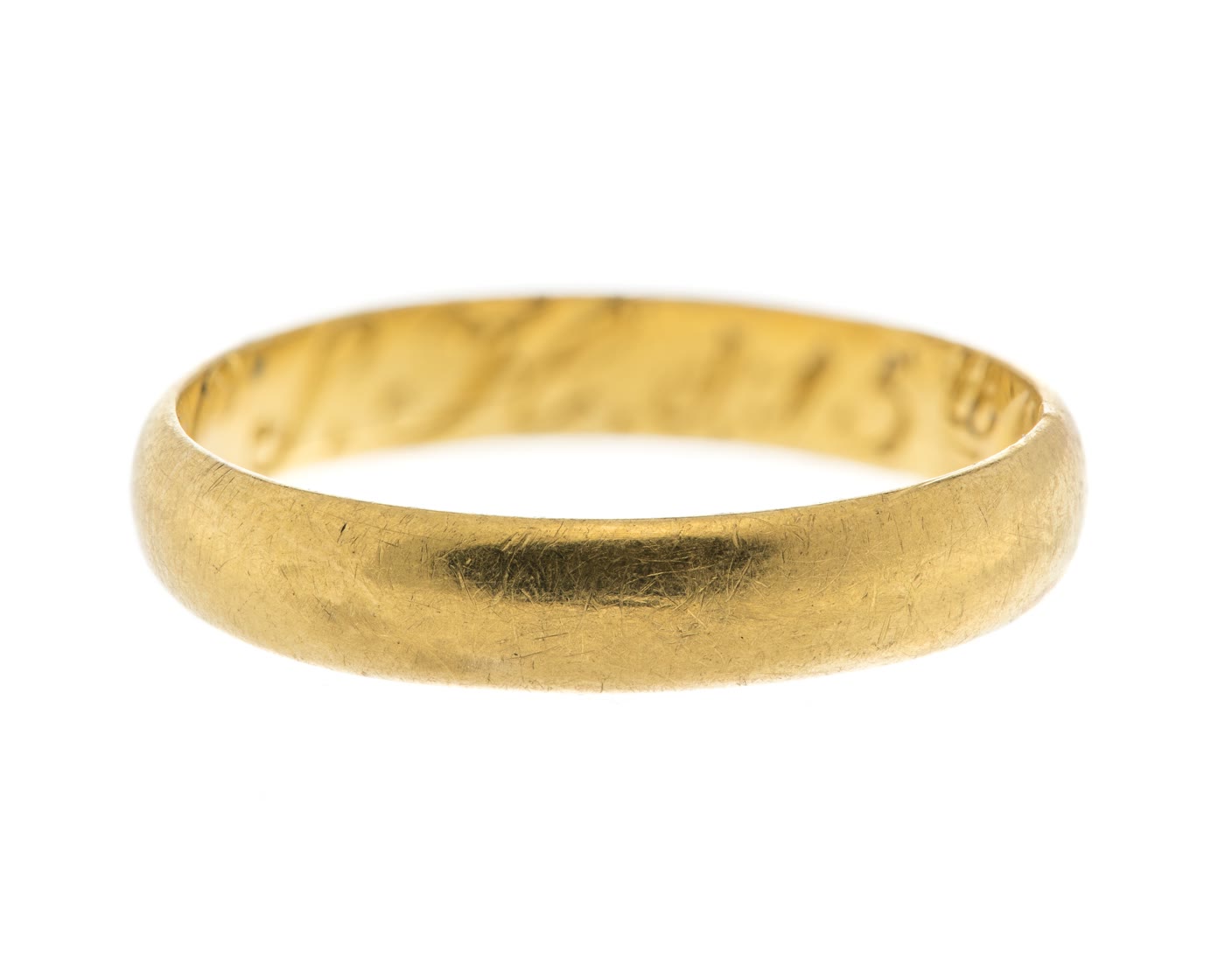
History of Wedding Rings
The plain gold band as the Western wedding ring: the Book of Common Prayer, the vena amoris tradition, 22ct Victorian bands, men's rings and wartime Utility rings in Britain.
Mourning & Sentimental
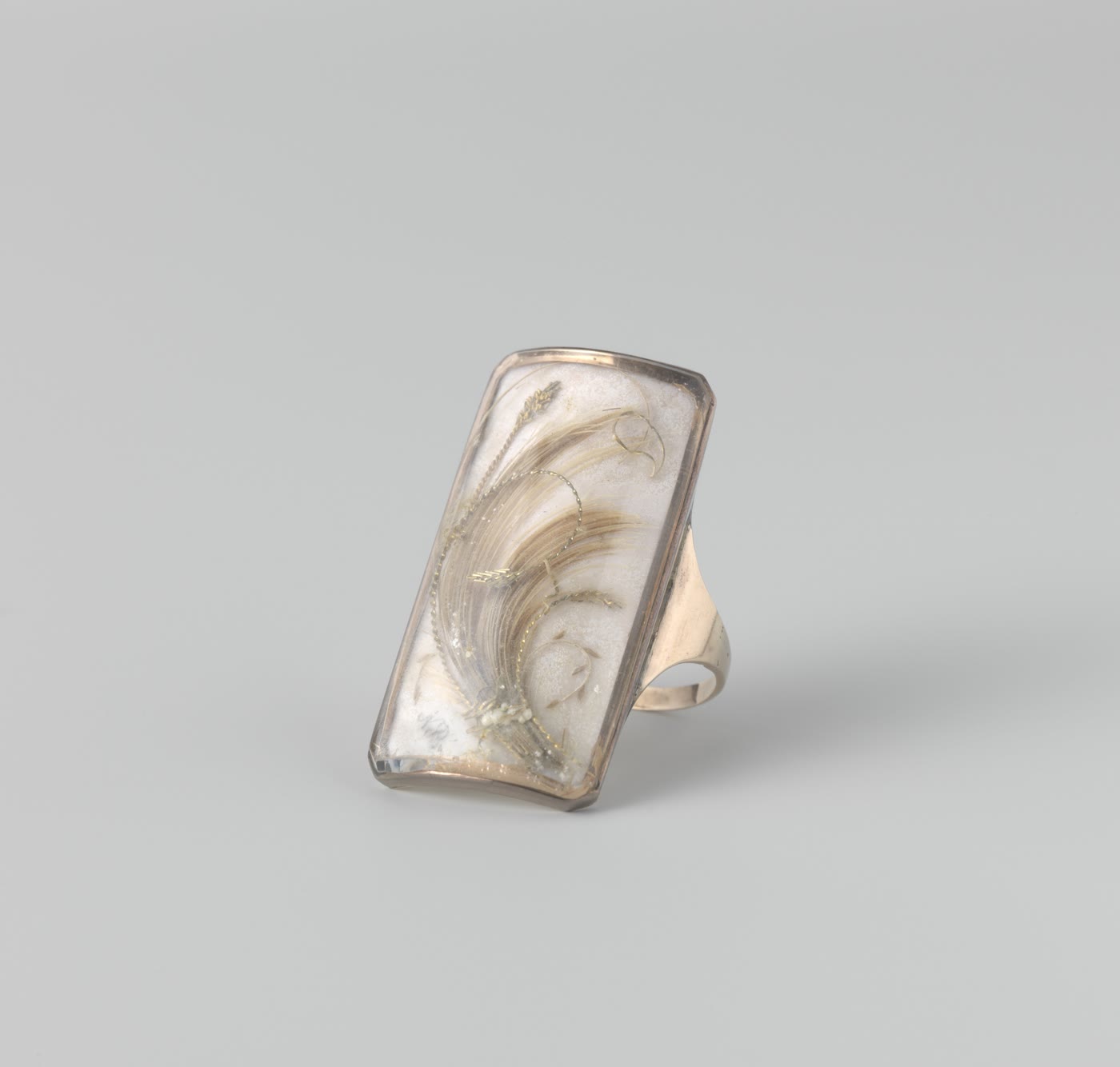
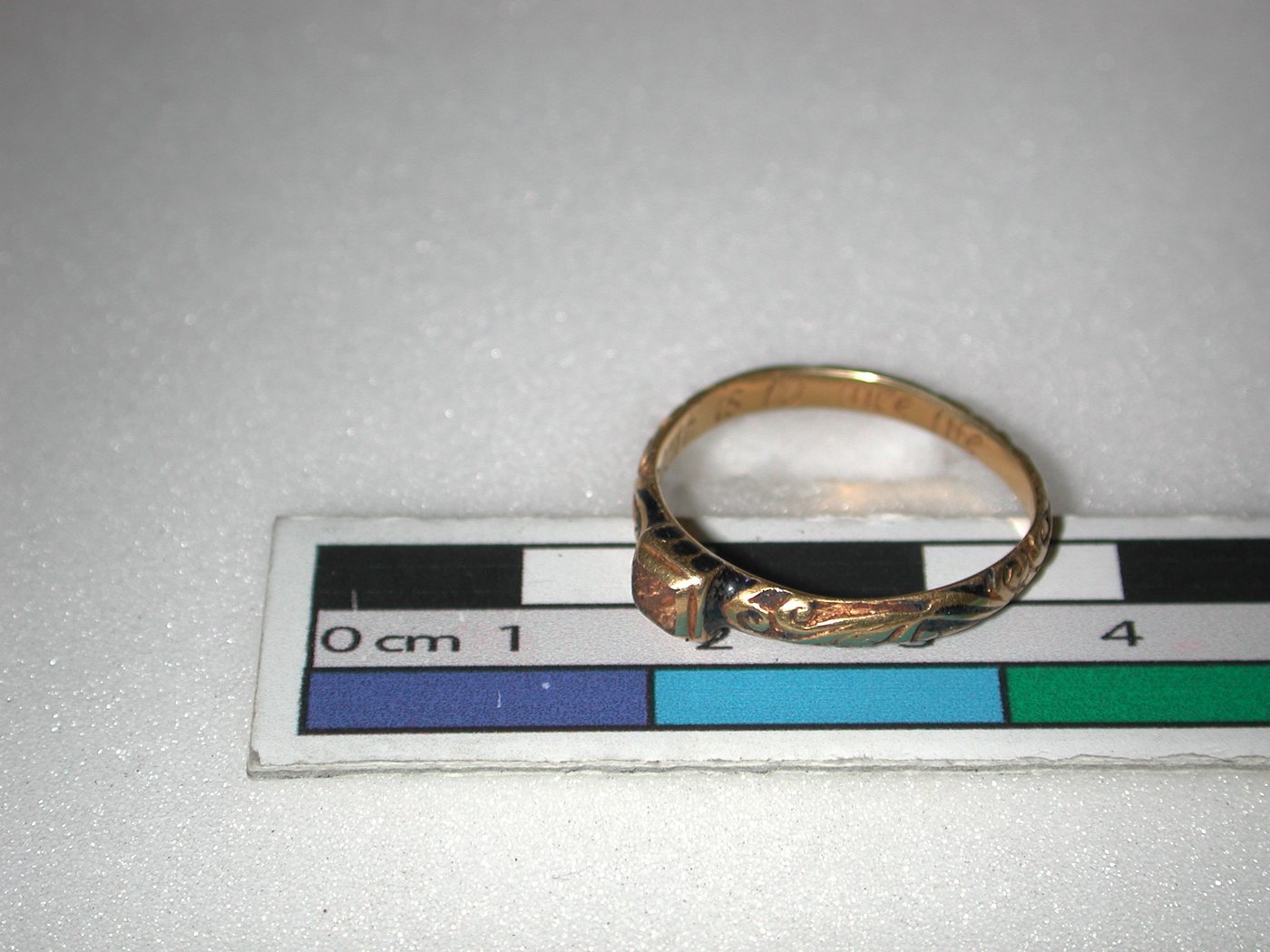
What Is Memento Mori Jewellery?
What memento mori jewellery is - skull rings, coffin pendants and Stuart crystal slides - and how it gave way to the more personalised Georgian and Victorian mourning-jewellery tradition.
Symbols
Hand Jewellery Symbolism
The clasped-hand fede ring from Roman times onward, the Claddagh ring of Galway and the Richard Joyce tradition, and hand brooches and amulets in 19th-century jewellery.